Post-Fire VOC & Toxic Metals Testing in Knoxville, TN
Protect your family from invisible fire damage. Our certified inspectors test for dangerous airborne chemicals and heavy metals left behind after fires—giving you the answers you need to safely return home.
Call Now: (865) 325-9665What Is Post-Fire VOC & Toxic Metals Testing?
When a fire burns through a home, it doesn't just leave behind visible soot and ash. Burning plastics, electronics, treated wood, and synthetic materials release volatile organic compounds (VOCs) and toxic metals like lead, arsenic, and cadmium into the air. These contaminants settle on surfaces and linger in your indoor air long after the flames are out.
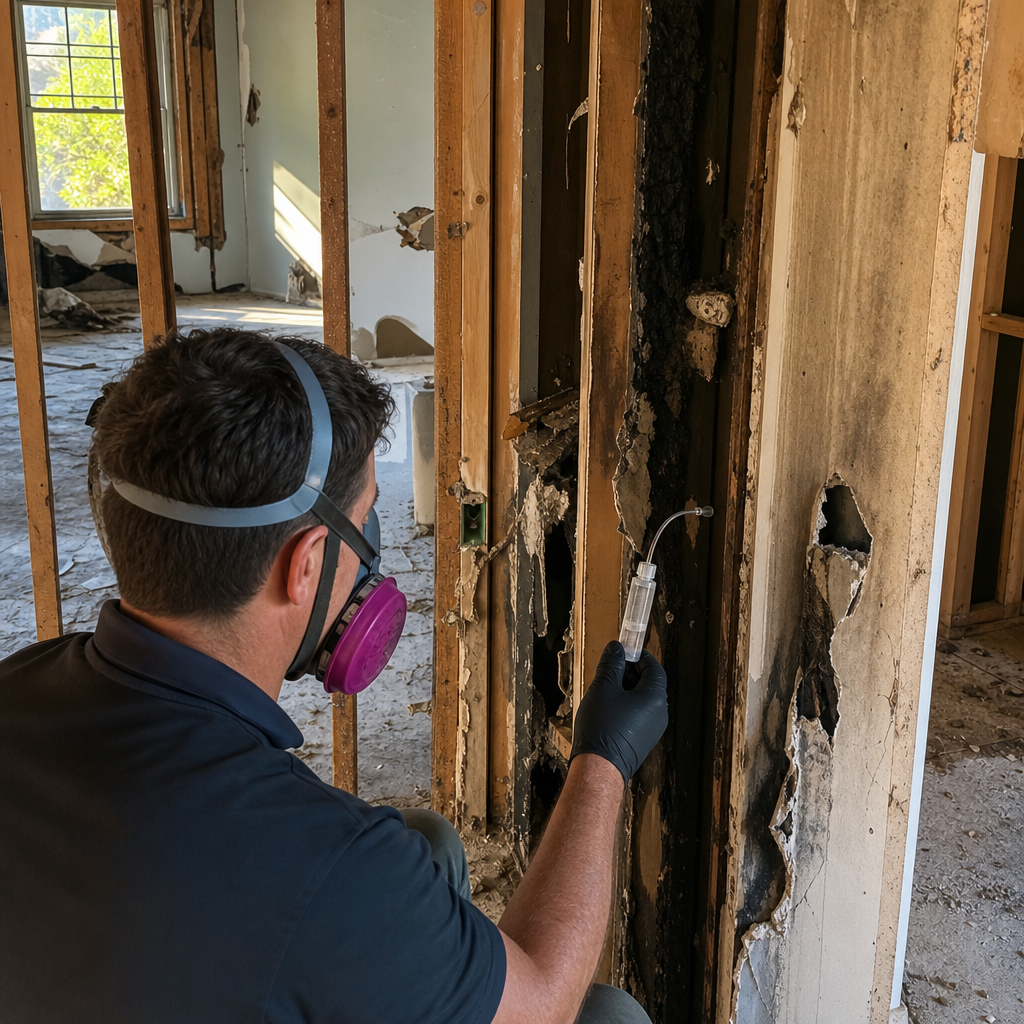
Post-fire testing identifies these hidden hazards through professional air sampling and surface analysis. Whether you've experienced a kitchen fire near Bearden or major structural damage in a home off Chapman Highway, this testing tells you exactly what chemicals remain—and whether your property is safe for occupancy.
Insurance companies, contractors, and health professionals often require this documentation before restoration work begins or before families move back in. Without proper testing, you're guessing about safety instead of knowing.
Why Choose Knoxville Mold Inspection
We've helped hundreds of Knoxville families navigate the aftermath of fire damage. Our inspectors understand that you're dealing with stress, insurance claims, and uncertainty—so we make the testing process straightforward and deliver results you can actually use.
Every sample we collect goes to an accredited third-party laboratory for analysis. You receive a detailed report showing exactly which contaminants are present and at what levels, compared against established safety thresholds. No vague findings or confusing jargon.
From homes near West Town Mall to properties in South Knoxville, we've built our reputation on accurate testing and honest recommendations. We work with your restoration company and insurance adjuster to ensure everyone has the documentation needed to move forward.
What's Included
VOC Air Sampling
We capture air samples to detect formaldehyde, benzene, acrolein, and other combustion byproducts that cause respiratory damage and long-term health effects.
Heavy Metals Analysis
Surface and air testing identifies lead, mercury, cadmium, and arsenic—common contaminants from burned electronics, paint, and building materials.
Accredited Lab Reports
Results come from AIHA-accredited laboratories with clear documentation suitable for insurance claims, medical records, and restoration planning.
Room-by-Room Assessment
We test affected areas individually to pinpoint contamination levels throughout your property—essential for targeted remediation.
Clearance Testing
After cleanup is complete, we return to verify contaminant levels are within safe limits before you reoccupy your home.
Expert Consultation
We explain your results in plain English and answer questions about next steps, health concerns, and working with your insurance company.
FAQs About Post-Fire VOC & Toxic Metals Testing
How soon after a fire should I get testing done?
We recommend testing as soon as the fire department clears the property. Contaminants begin settling immediately, and early testing provides baseline data for insurance claims and establishes what remediation is needed before anyone returns to the home.
Will my insurance cover post-fire testing?
Most homeowner policies cover air quality testing after fire damage as part of the restoration process. We provide detailed invoices and lab reports formatted for insurance submission. Contact your adjuster to confirm coverage for your specific policy.
What symptoms indicate exposure to fire-related toxins?
Common symptoms include persistent headaches, respiratory irritation, dizziness, nausea, and eye or throat burning. If you or family members experience these after a fire—even a small one—testing can determine whether airborne contaminants are the cause.
Do I need testing if the fire was small or contained to one room?
Yes. Even minor fires release toxic compounds that spread through HVAC systems and settle on surfaces throughout the home. A kitchen fire can contaminate bedrooms on the other side of the house. Testing reveals the true extent of exposure.